Search
Close this search box

THE FOUNDATION OF EXCELLENCE

5 options for replacing a missing tooth: part 1/3 – Kanata missing teeth solutions Dunrobin

September 10, 2021

Dunrobin dental implant

5 options for replacing a missing tooth

Keywords: replace missing teeth, missing tooth solutions, best option for missing teeth, loose dentures, best replacement for missing tooth, dental implant, implant crown, implant bridge, implant denture, implant tooth, implant-supported dentures, implant-retained dentures

A missing tooth can certainly change the appearance of your smile. Whether a missing tooth is the result of gum disease, injury, trauma, severe tooth decay, or a genetic condition, it can lead to several issues. Regardless of the underlying cause of missing teeth, it can negatively impact the alignment of your teeth over time and cause a number of problems down the road if it is not replaced. Even the loss of a single tooth can have a negative impact on your oral health, not to mention your confidence. A missing tooth or teeth can affect your speech, your ability to chew food, the integrity of your jawbone, and can cause the slow shifting of your teeth into empty spaces. If you are looking to replace a lost tooth or make adjustments to the overall appearance of your mouth, there are different treatments available.
Best solution for missing teeth, dental implants
Dental implants, replacing missing teeth

Options available for those who have missing teeth

Kanata lost teeth solutions Dunrobin, replace missing teeth

The best possible option for your oral health and your general health would be to replace each tooth with a dental implant, as implants are the closest thing to restoring a natural tooth. Despite the considerable cost associated with implants, they are hands down the best and most long-lasting option available.

Dental implants

Dunrobin lost teeth solutions Kanata, replace missing teeth

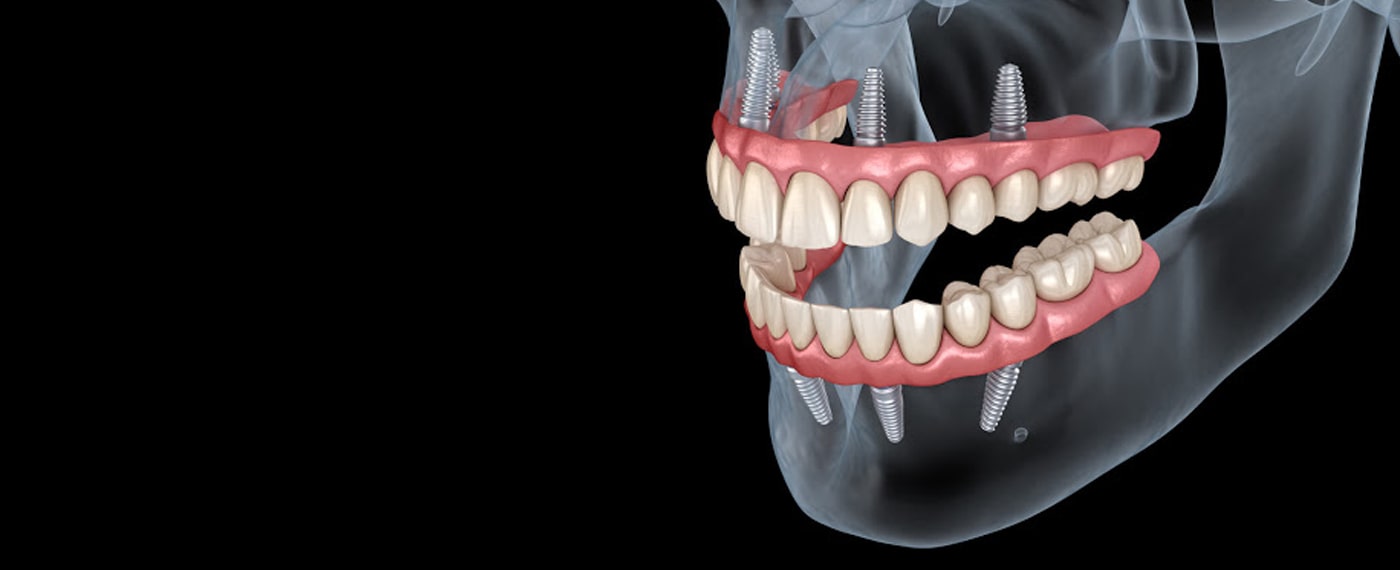
Dental implants are the single most common and reliable treatment for tooth replacement. Dental implants are the most natural-looking and comfortable type of tooth replacement, providing results that look and feel like a real tooth. Dental implants provide a permanent solution if you need to replace a single tooth or multiple teeth in different areas. If taken care of properly, dental implants can last a lifetime. The process of placing your dental implant can be somewhat lengthy. It begins with the replacement of your tooth’s root with a titanium screw, which is used as an anchor for the false tooth placed on top. Once the screw has been put into place, you need to allow the implant to integrate for a few months, during which time the implant becomes securely fused to your jawbone. Once the implant has healed completely, a dental crown is placed on top and secured.

Benefits

  • They are the most effective option to replace missing teeth, with treatment success rates in excess of 95%
  • They are durable, reliable, and permanent
  • Minimal maintenance is required, other than good oral hygiene and professional dental exams and hygiene visits
  • They feel natural and comfortable and provide the best aesthetics
  • They are the only tooth loss solution that prevents jawbone loss
  • Teeth adjacent to the gap do not need to be shaved down or modified
  • They can be more cost-effective in the long term due to the long lifespan of treatment
  • There is no involvement of neighbouring teeth, so adjacent teeth remain intact

Disadvantages

  • Your dentist will not attach the replacement tooth until the dental implant completely heals, which makes the treatment waiting time longer and requires a greater number of dental visits compared to other options
  • They are the most expensive tooth replacement solution

Implant-supported bridge

Kanata best solution for missing teeth Dunrobin, replace missing teeth

An implant-supported bridge is an ideal solution for multiple missing teeth in the same area. The process of replacing each tooth with a dental implant can be very lengthy and unnecessary. With an implant-supported bridge, only the teeth at the two ends are secured in place with implants. The teeth in the middle are held in place by bridging to the two terminal ends.

The implant-supported bridge looks very similar to a tooth-supported fixed bridge, except that it is implants that the bridge is secured onto rather than teeth. These can either be cemented or screwed into place. The screw holes in the bridge are covered with tooth-coloured composite resin so they are virtually invisible.

Benefits

  • Provides very good aesthetic results
  • Feels and looks very natural, making it easy to speak and eat virtually anything
  • Easy to care for and can be brushed and flossed just like an ordinary tooth-supported fixed bridge
  • An economical choice for replacing several missing teeth in a row
  • Should last for many years before it needs replacing, if ever
  • The bridge is equally as effective as having multiple adjacent dental implants
  • No need for your dentist to grind down healthy teeth

Disadvantages

  • They can only be used under certain circumstances, when there are several missing teeth situated adjacent to each other
  • They are relatively expensive, particularly when used to restore a complete arch of teeth
  • They require a greater number of visits, and treatment takes longer to complete compared to a tooth-supported fixed bridge or a denture
  • Implant treatment does require a small surgical procedure

There are many excellent options to remedy a missing tooth, whether the tooth was lost through injury, gum disease, or decay. Each option has its own pros and cons, which a dental professional can help you weigh based on your specific needs and budget.

This is our first article in a series. Follow our social media and blog news to read the next part.

In our next article following this series, we will cover situations when an implant is recommended and what to expect from the procedure. See you in the next article.

https://marchwooddental.com/wp-content/uploads/2017/10/movedo-freelancer-feature-03-scaled-1-3.jpg Clinic specializes in dental implant crowns and aesthetic treatments, focusing on the oral and dental health of patients in Kanata, Dunrobin, Carleton Place, Almonte, Carp, and all of West Ottawa. We offer many treatment options and alternatives using advanced technology to maintain the quality of our service.

Contact us and schedule your appointment at https://marchwooddental.com/wp-content/uploads/2017/10/movedo-freelancer-feature-03-scaled-1-3.jpg Clinic, serving Kanata, Dunrobin, Carleton Place, Almonte, Carp, and all of West Ottawa today. Follow us on Facebook and Instagram for more information.

The Clinic

MARCHWOOD DENTAL Clinic

In 2005, Dr. Bahram Mostaghaci and Dr. Bill Henry met while instructing students at Algonquin College’s advanced restorative hygiene program. Their instant chemistry and philosophy for providing patient-centric dentistry soon led to a professional partnership.


Together as partners they established Marchwood Dental on a beautiful property at the corner of Halton Terrace and March Road. The existing Richardson homestead on the property was completely redesigned in 2006, becoming what is now our showcase dental practice.


After a ten-year partnership, Dr. Mostaghaci became sole owner in 2016. Dr. Henry continued to work until his eventual retirement in 2025. We are lucky to have a highly caring and talented team of associate dentists who continue to implement our original vision and office philosophy. As always, we remain committed to being on the cutting edge of innovative dental technology, within the heart of Kanata North’s renowned hi-tech hub, while treating all our patients like family.

OUR
GALLERY

The details make the Difference

01

Invisalign Orthodontics

Teatment to align tipped lateral incisor

After

Before

Treatment to align overlapped lateral incisor

After

Before

Treatment to align crowding on lower front teeth

After

Before

02

Implant Crown

Replace missing tooth

After

Before

03

Implant-retained Denture

Increase stability, esthetics, chewing power and comfort

After

Before

04

Ceramic Crown

Repair fractured front tooth

After

Before

05

Composite bonding

Improve aesthetics of four front teeth

After

Before

Close spacing and improve symmetry of lateral incisors

After

Before

Improve shade, alignment and overall aesthetics of front teeth

After

Before

After

Before

DENTAL IMPLANTS

Dental Implants

Dental implants are used to replace missing teeth by supporting a natural-looking restoration. The implant itself is a small titanium post that is placed where the tooth root would normally be, creating a stable foundation for a crown, bridge, or denture.


Over time, the surrounding bone and gum tissue can heal around the implant, helping hold it securely in place. Because the implant replaces the missing tooth root, it can restore function without relying on neighbouring healthy teeth for support.


Implants may be used to replace a single missing tooth, several missing teeth, or to help improve the retention of full dentures. Treatment suitability depends on each patient’s oral health, bone structure, and overall clinical needs.

VENEERS

Veneers, Bonding & Whitening

Veneers, bonding, and whitening are cosmetic dental options that may help improve the appearance of the smile. These treatments can be considered for concerns such as tooth colour, minor spacing, uneven edges, or the shape of visible front teeth.


Professional whitening uses custom-fitted trays and whitening gel that patients can use on a schedule recommended by the dental team. This option may help brighten natural teeth when staining or discolouration is the main concern.


Veneers and bonding can be used to adjust the shade, shape, or overall appearance of selected teeth. The best option depends on the patient’s goals, tooth structure, oral health, and the level of change being considered.

ORTHODONTICS

Invisalign Orthodontics

Invisalign orthodontics uses a series of clear, removable aligners to gradually guide teeth into a better position. For many patients, it offers a discreet alternative to traditional metal braces and wires.


The aligners are designed to fit comfortably over the teeth and can be removed for eating, brushing, and flossing. Because they are clear, they are less noticeable during daily life, work, school, and social activities.


Invisalign may help improve the appearance of the smile while also supporting better oral health when alignment concerns affect cleaning or gum health. Suitability depends on each patient’s teeth, bite, and treatment goals.

EXTRACTIONS

Extractions & Bone Grafting

Tooth extractions may be recommended when a tooth cannot be restored or when removal is needed to protect overall oral health. At Marchwood Dental, treatment planning focuses on making the process as comfortable and controlled as possible.


After a tooth is removed, the surrounding jawbone can gradually shrink in the area where the tooth is missing. This bone loss may affect nearby teeth, chewing function, appearance, and future restorative options.


Bone grafting may be recommended to help preserve or rebuild bone in areas where support is needed. Suitability depends on the patient’s oral health, the condition of the bone, and the type of restoration being considered.

ROOT CANAL

Root Canal Therapy

Root canal therapy is used when the inside of a tooth becomes infected or inflamed. This can happen because of deep decay, a crack, trauma, or another dental issue that allows bacteria to reach the inner tissue of the tooth.


The procedure removes the infected or damaged tissue from inside the tooth, then cleans, shapes, and seals the area. The goal is to relieve discomfort, address the source of infection, and help preserve the natural tooth when possible.


Root canal treatment is a common dental procedure and is often more manageable than many patients expect. Suitability depends on the condition of the tooth, the surrounding bone, and the patient’s overall oral health.

Crowns & Inlays

Single-Visit Crowns & Inlays

Single-visit crowns and inlays allow patients to receive custom ceramic restorations without needing multiple appointments. Using CAD/CAM technology, Marchwood Dental can design and fabricate porcelain inlays, onlays, and crowns in the office during the same visit.

This process uses digital scanning to help create restorations that are shaped to fit the tooth accurately and comfortably. It can be used to restore teeth that are weakened, damaged, worn, or affected by decay, depending on the patient’s needs and clinical situation.

Marchwood Dental has three CAD/CAM scanners available, allowing the team to provide this service efficiently for multiple patients. The goal is to restore strength, function, and appearance while reducing the need for temporary restorations and return visits when same-day treatment is appropriate.

FILLINGS

White Resin Fillings

White resin fillings are used to repair teeth affected by decay, small fractures, chips, or worn enamel. Tooth enamel is strong, but it can still be damaged by sugar, acidic foods and drinks, grinding, nail-biting, or using teeth in ways they were not meant to be used.


White resin, also called composite resin, bonds directly to the tooth structure. This allows the dentist to repair smaller or shallower areas while preserving as much healthy tooth structure as possible.


Composite resin is available in a variety of shades, allowing the filling to be matched closely to the natural tooth colour. It is commonly used for conservative dental restorations where both function and appearance are important.

PREVENTIVE HYGIENE

Preventive Hygiene

Preventive hygiene helps protect the teeth, gums, and supporting bone through regular cleanings and home care guidance. Plaque can be removed with brushing and flossing, but once it hardens into tartar, it must be removed by a dental hygienist using professional scaling instruments.


When plaque and tartar are left untreated, they can contribute to gum inflammation, bleeding, soreness, and more serious gum disease. Regular hygiene appointments help remove buildup, monitor gum health, and support early attention to changes before they become more difficult to manage.


Good oral hygiene is also important for patients with dental implants, Invisalign, orthodontic appliances, or other restorations. Daily brushing, flossing, and regular professional cleanings all play an important role in maintaining long-term oral health.

SCREENING

Oral Cancer Screening

Oral cancer screening is an important part of routine dental care. During an exam, the dentist and dental hygienist look for unusual changes in the lips, tongue, cheeks, gums, and other areas of the mouth.


Screening may include checking for lumps, unusual growths, red or white patches, swelling, bleeding, pain, numbness, or changes in the soft tissues. These signs do not always mean cancer is present, but they should be assessed by a dental professional.


Regular screening helps support early attention to changes that may otherwise go unnoticed. At Marchwood Dental, oral cancer screening is included as part of the preventive care provided during routine dental visits.

NITROUS OXIDE

Nitrous Oxide Sedation

Nitrous oxide, often called laughing gas, may be used to help anxious patients feel more relaxed during dental care. It is administered during the appointment and is intended to provide temporary comfort support while treatment is being completed.


This option may be helpful for patients who feel nervous about dental visits, specific procedures, or sitting in the dental chair for treatment. At Marchwood Dental, patients are encouraged to speak openly with the team about dental anxiety so appropriate comfort options can be discussed.


All dentists at the Kanata clinic have obtained advanced training to provide nitrous oxide sedation for patients who require it. Suitability depends on the patient’s health history, level of anxiety, and the type of dental treatment being planned.

GUM GRAFTING

Gum Grafting

Gum grafting may be recommended when gum tissue has receded and the tooth root has become exposed. Recession can be linked to factors such as brushing too aggressively, gum disease, misaligned teeth, grinding, or orthodontic movement.


Exposed root surfaces may lead to sensitivity, a higher risk of decay, and changes in the support around the tooth. A gum graft is used to help cover affected areas and support healthier gum tissue where additional protection is needed.


The procedure involves placing grafting material at the affected site, followed by at-home care and follow-up appointments. Suitability depends on the amount of recession, the condition of the gums, and the patient’s overall oral health.

GUARDS

Nightguards & Sports Guards

Nightguards may be recommended for patients who clench or grind their teeth, a habit also known as bruxism. A custom-fitted nightguard helps reduce the pressure placed on the teeth, jaw joints, and facial muscles during sleep.


The process involves taking a digital scan of the teeth so the appliance can be made to fit the patient’s mouth accurately. Once the nightguard is fabricated, the dentist checks the fit and provides guidance on proper use and care.


Custom sports guards are designed to help protect the teeth during activities where impact or injury may occur. They can be made in different colours and thicknesses, depending on the patient’s needs, sport, and comfort preferences.

Contact us with questions or
Book an Appointment

Doctor
Keith Josephson

About Dr. Josephson
We are proud to have the accomplished Dr. Josephson on the Marchwood Dental team. Keith is originally from St. John’s, Newfoundland, completing his undergraduate degree in Biochemistry at Mount Allison University (2001) in New Brunswick, graduating with first class honours distinction. Keith completed his dentistry degree at Dalhousie University (2005) in Nova Scotia. While there he received the Charles Bell Memorial Prize for second highest academic standing, the Dr. William W. Woodbury Prize for excellence in orthodontics, and the Quintessence Award for achievement in research. He was honoured by his peers as valedictorian of his graduating class. Keith has been practicing in Ottawa since 2013, where he now calls home. He has continued to further his dental education at the Kois Center, the prestigious dental continuing education institute in Seattle, known for its scientific and evidence-based approach. More recently he has completed the extensive implant surgery residency at the Dagher Institute. Keith’s philosophy around dentistry is to emphasize communication with patients to ensure they play an active role in making informed decisions about their care. In his free time, Keith enjoys doing CrossFit, golfing, running, skiing, live music, and spending time with his family. Keith also has a passion for travel, food and wine, and was once an avid rugby player playing provincially for his home province of Newfoundland.
Qualifications & Training:
  • Treatment Planning and Digital Implementation: Kois Center. Seattle, WA (2012)
  • Functional Occlusion – Science Driven Management: Kois Center. Seattle, WA (2013)
  • Managing the Restorative/Periodontal Interface and Advanced Functional Occlusion: Kois Center. Seattle, WA (2015-2019)
  • Restorative Biomechanics: Kois Center. Seattle, WA (2016)
  • Implant Restorations: Fixed and Removable: Kois Institute. Seattle, WA (2018)
  • Advanced Functional Occlusion – Complex Restorative Management: Kois Center. Seattle, WA (2019)
  • Immediate Implant Therapy in Esthetic Zone: Ottawa, ON (2023)
  • Bone Ridge Preservation and Horizontal Bone Grafting: Straumann, Dr. Gauthier. Chelsea, QC (2024)
  • Medically-related Osteonecrosis Diagnosis and Management: Ottawa, ON (2024)
  • TMD (Temporomandibular Joint Disorder) Management: Ottawa, ON (2025)
  • Implant Placement Mini-Residency: Dagher Institute, Hawkesbury, ON (2025)